AI ERAS Headshot Generator for Medical Residency Applications
Create realistic ERAS-ready residency headshots for your application profile, interview invites, LinkedIn updates, and conference bios with one streamlined AI workflow.



Why Your ERAS Headshot Matters Before Anyone Reads Your CV
Program directors and interview committees often see your profile photo before they evaluate your publications, board scores, and letters. A clean, credible, and current headshot signals professionalism and attention to detail from the first second. For competitive residency cycles, strong visual presentation helps you avoid weak first impressions that are hard to reverse later.

Low-distraction soft-gray portrait optimized for residency application reviewers.
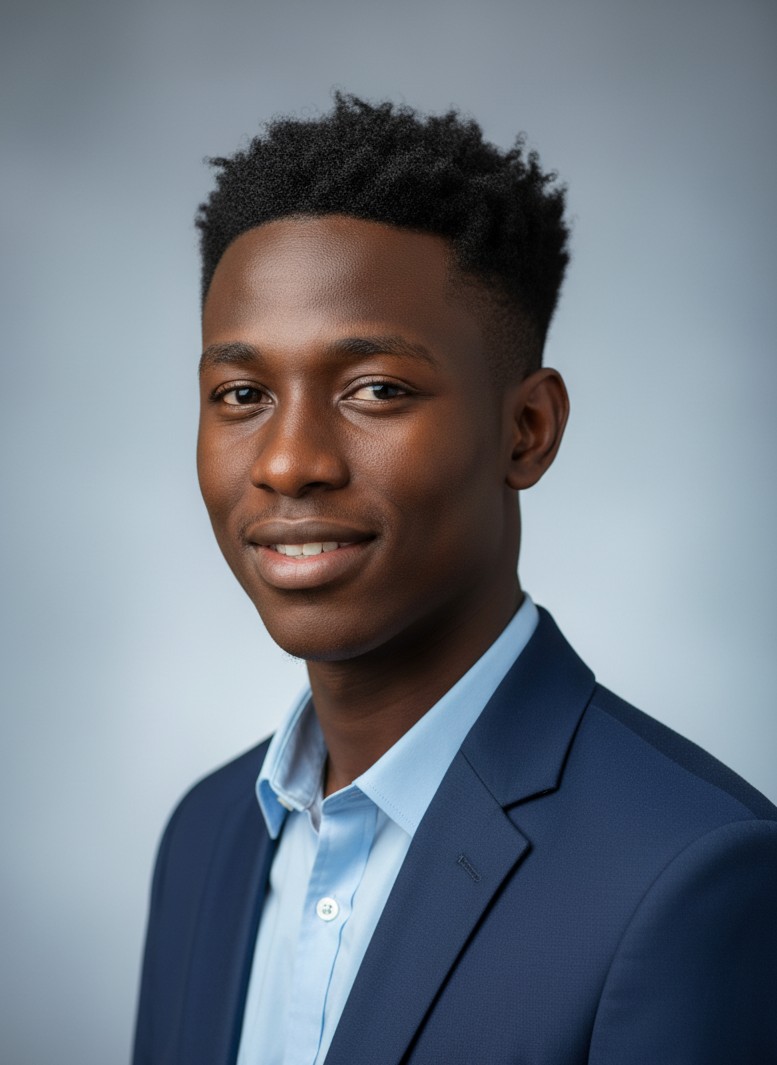
Interview-focused residency portrait with navy professional styling and calm confidence.
Professional First Impression
Balanced lighting, realistic detail, and clean composition help committees perceive you as prepared and reliable.
Fast Iteration Before Deadlines
Create multiple application-safe variants in minutes without coordinating studio schedules and retouch queues.
Unified Cross-Platform Identity
Keep the same professional standard across ERAS, social profiles, residency websites, and conference materials.
With an AI ERAS headshot workflow, you can quickly generate application-ready portraits, compare specialty-specific looks, and keep your profile aligned across ERAS, school websites, LinkedIn, and networking platforms.
AI ERAS Headshot Generator for Medical Residency Applications: Complete 2026 Guide
Your ERAS headshot is a small asset with outsized impact. It appears at the top of your application profile, in interview scheduling flows, and later across professional networking channels. Even before committee members review your research output or clerkship performance, they often form a first visual impression from this single image.
A strong residency headshot should communicate professionalism, approachability, and readiness. It should look current, realistic, and aligned with medical standards. Over-stylized edits, outdated selfies, or inconsistent profile photos can create unnecessary friction in a highly competitive application cycle.
This guide explains how to create ERAS-ready headshots using AI, how to choose the right style for your target specialties, and how to avoid common mistakes that reduce trust.
What Program Directors Expect from a Residency Headshot
Most reviewers are not looking for artistic photography. They are looking for clarity and professionalism.
A reliable ERAS headshot usually includes:
- Clear facial visibility with natural skin texture
- Simple, distraction-free background
- Professional attire appropriate for clinical settings
- Balanced expression that feels calm and confident
The goal is to represent yourself accurately while presenting your profile at a high standard.
Traditional Studio vs AI ERAS Headshots
Traditional photography can produce strong results, but it often requires booking lead time, location coordination, and extra retouch rounds. This can be difficult when rotations, exams, and interview preparation are already consuming your schedule.
AI headshot workflows help you:
- Generate multiple application-safe versions quickly
- Keep consistent visual quality across platforms
- Reduce cost compared with repeated studio sessions
- Update images fast when your profile needs refreshes
For most applicants, AI is a practical way to balance quality, speed, and budget.
Core ERAS Headshot Styles for Residency Applications
These looks prioritize selection-committee readability: clean framing, authentic expression, and professional medical context.

Refined residency portrait style that signals maturity, focus, and professionalism.
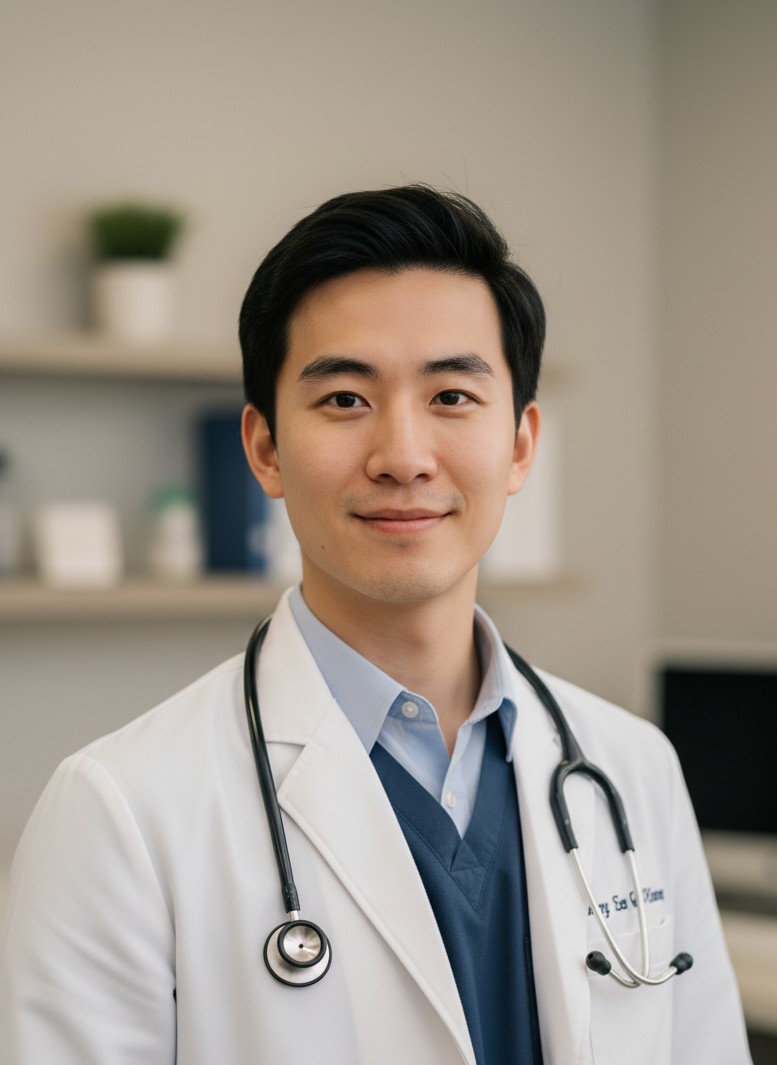
Grounded, professional portrait tone suitable for internal medicine residency profiles.
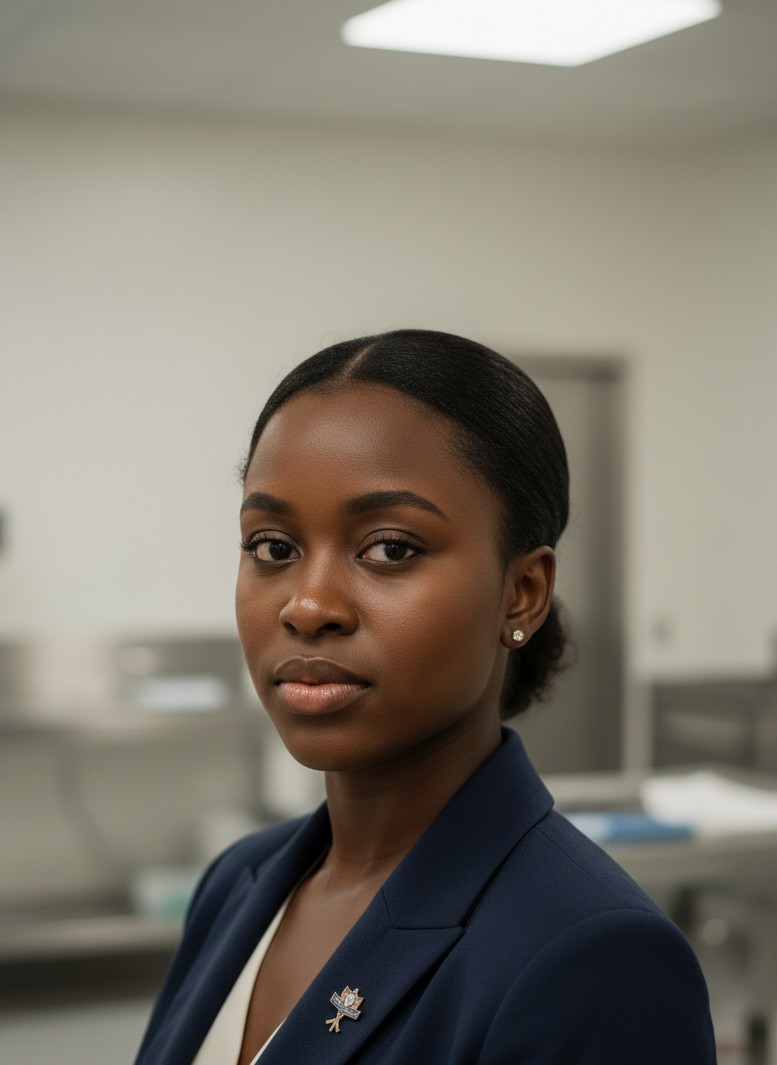
Sharper clinical portrait aesthetic for applicants targeting surgical residency tracks.
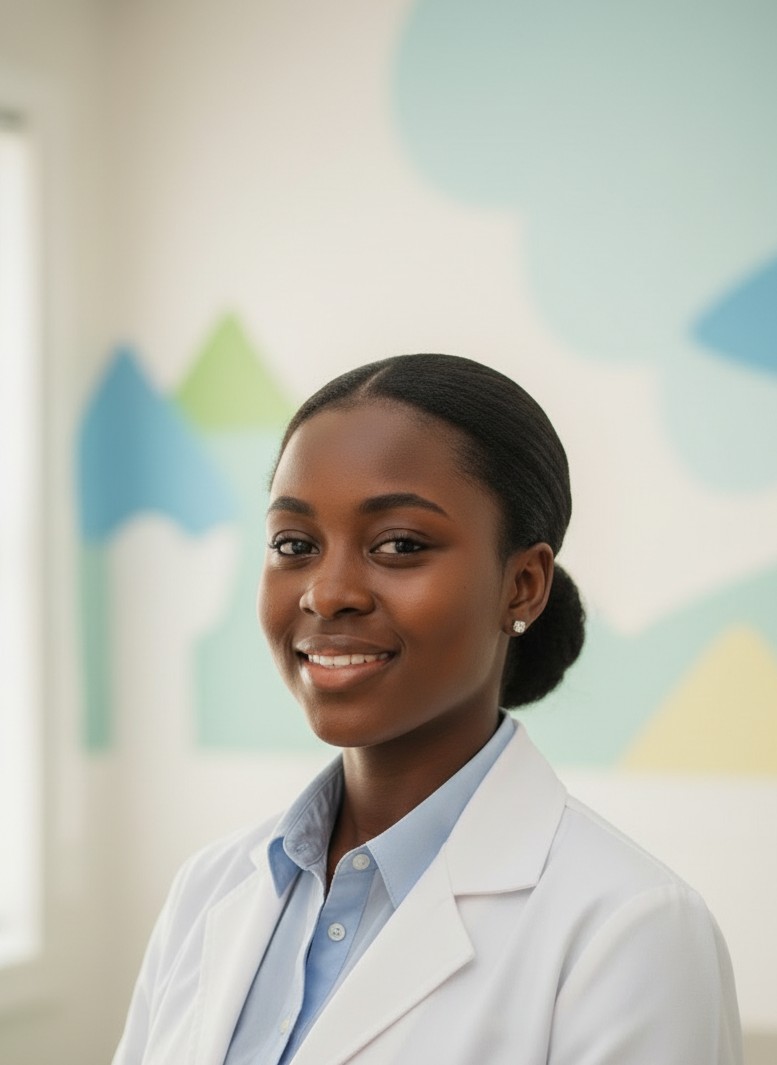
Friendly and trustworthy headshot style for pediatrics residency applications.
How to Choose the Right ERAS Headshot Style
Different specialties can support slightly different visual tone while staying professional.
- Internal medicine / family medicine: warm and approachable confidence
- Surgery / anesthesia: calm precision with stronger clinical presence
- Pediatrics / OB-GYN: empathetic and patient-friendly expression
- Radiology / research track: clean, minimal, detail-oriented look
You do not need dramatically different photos. You need small style adjustments that still look like the same person.
Wardrobe and Grooming for Residency Applications
Use simple, role-appropriate styling:
- Solid neutral colors (navy, charcoal, white, soft blue)
- Minimal accessories and minimal shine
- Professional grooming that matches your real-world appearance
- Avoid heavy filters and aggressive beauty edits
When in doubt, keep the styling conservative and clear.
Background and Lighting Best Practices
High-performing options include:
- Neutral gray studio backdrop
- Softly blurred clinic context
- Clean office-hospital hybrid background
Lighting should be even and natural. Harsh contrast or dramatic cinematic color grading can look off-brand for ERAS and interview settings.
Specialty-Aligned Residency Variations
Adapt your visual tone for surgery, pediatrics, radiology, research, and leadership tracks while staying ERAS-appropriate.
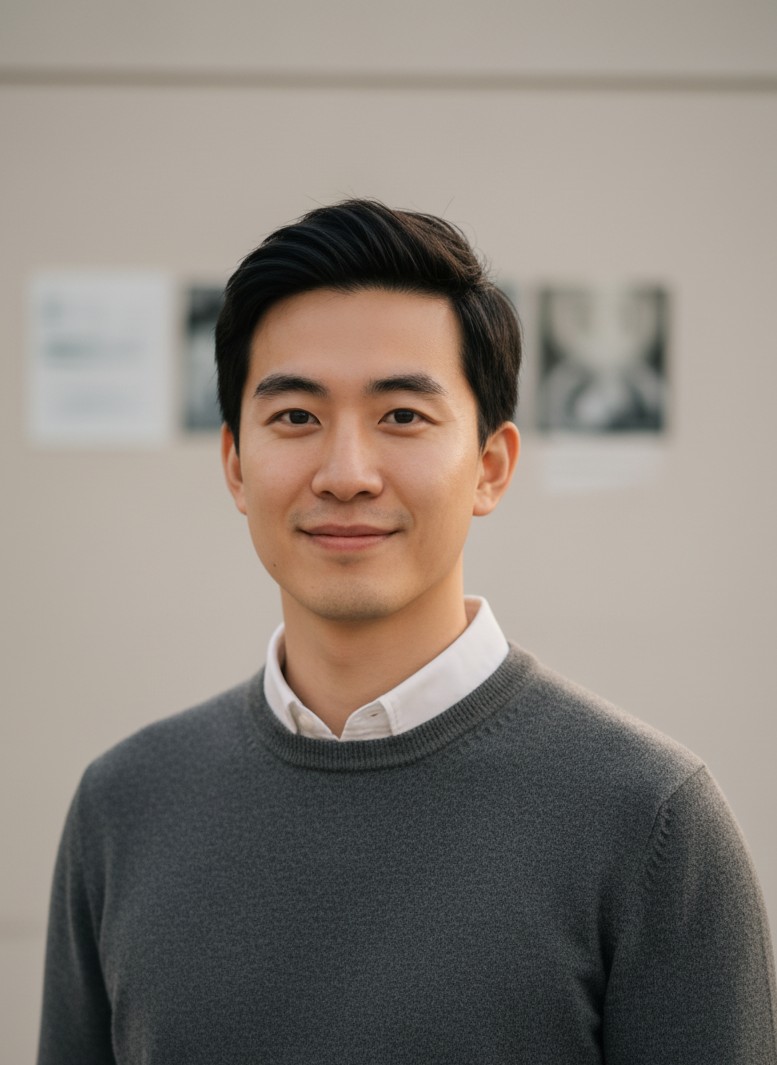
Minimal, modern residency portrait aesthetic suited for radiology-focused applicants.
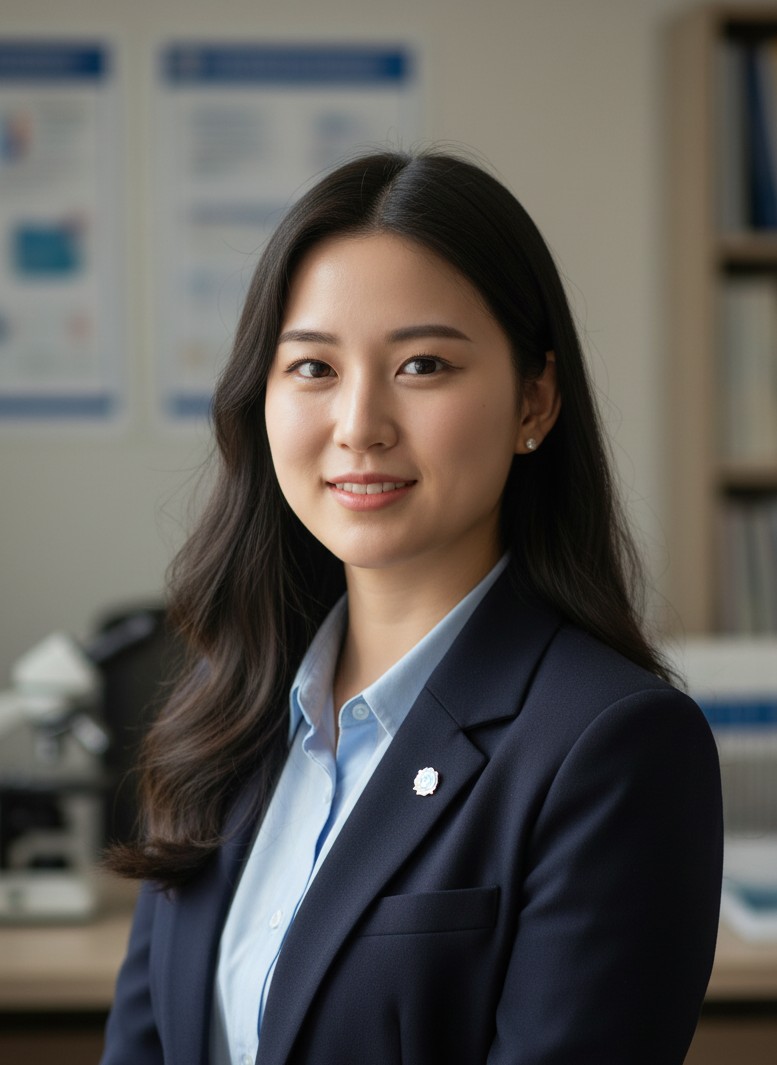
Academic-forward portrait for residency applicants emphasizing research credentials.
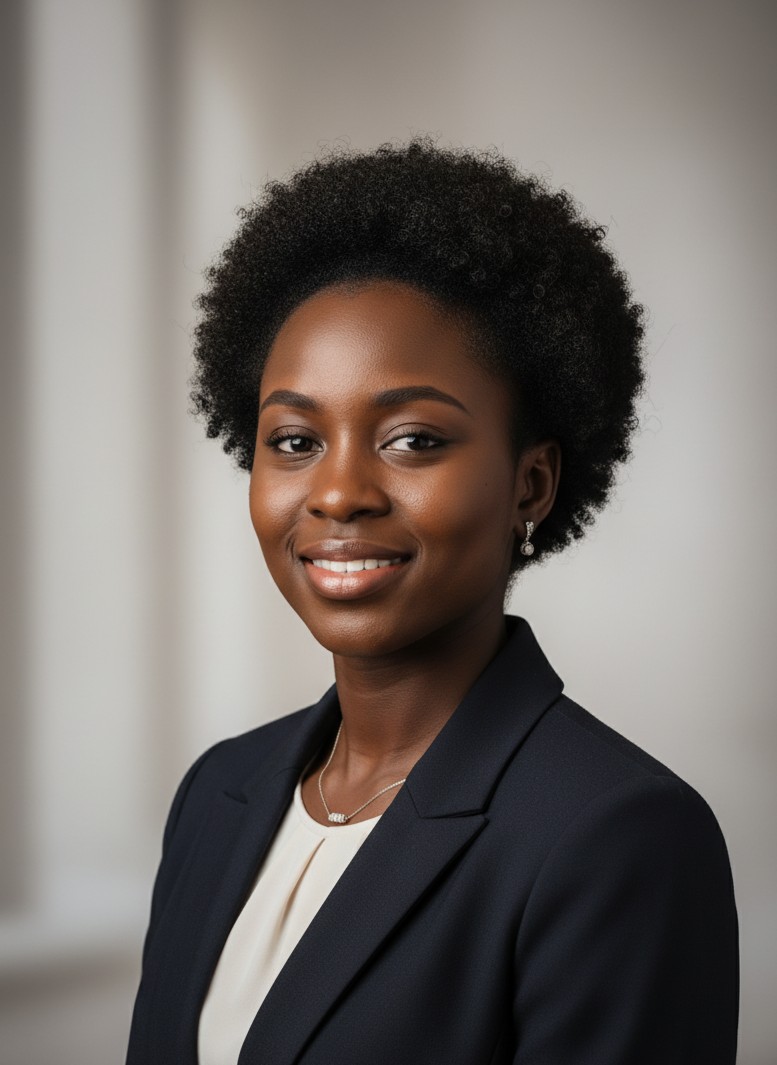
Leadership-oriented residency headshot style for applicants with strong initiative profiles.

Calm high-pressure clinical portrait style for applicants highlighting ICU readiness.
Interview and Long-Term Career Profile Looks
Use these styles for interview-day confidence, networking bios, telehealth profiles, and future chief resident positioning.
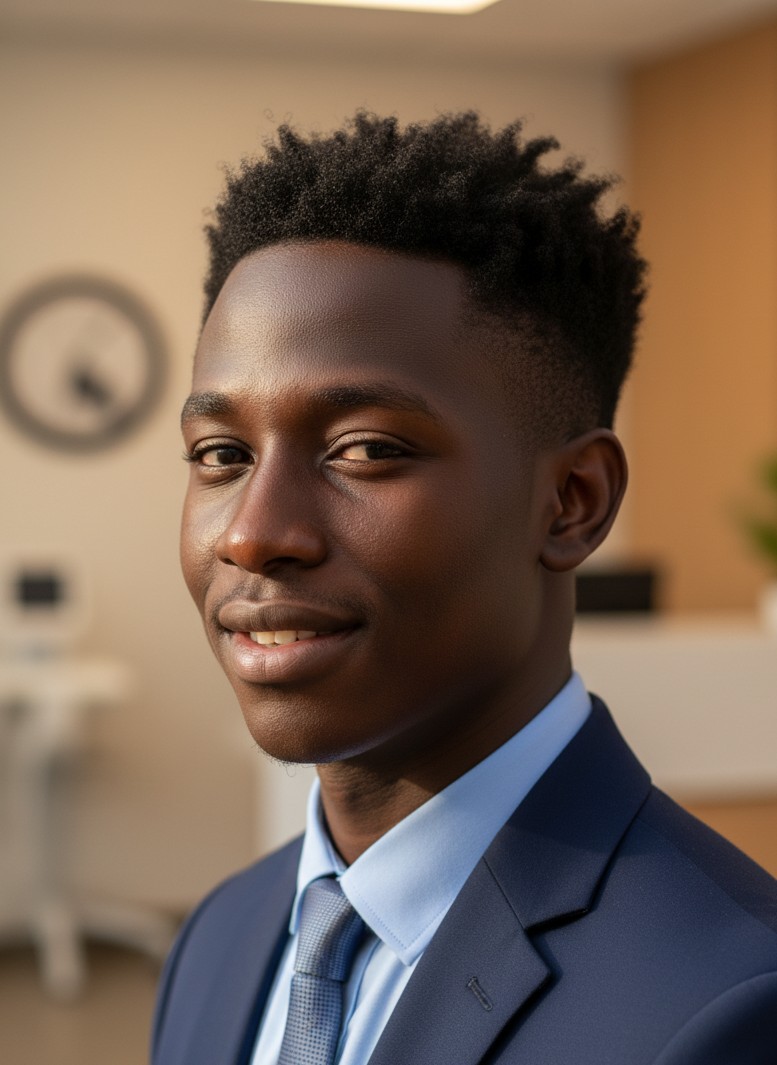
Patient-friendly residency portrait style for family medicine and primary care tracks.

Balanced, empathetic residency portrait style suitable for OB-GYN applications.
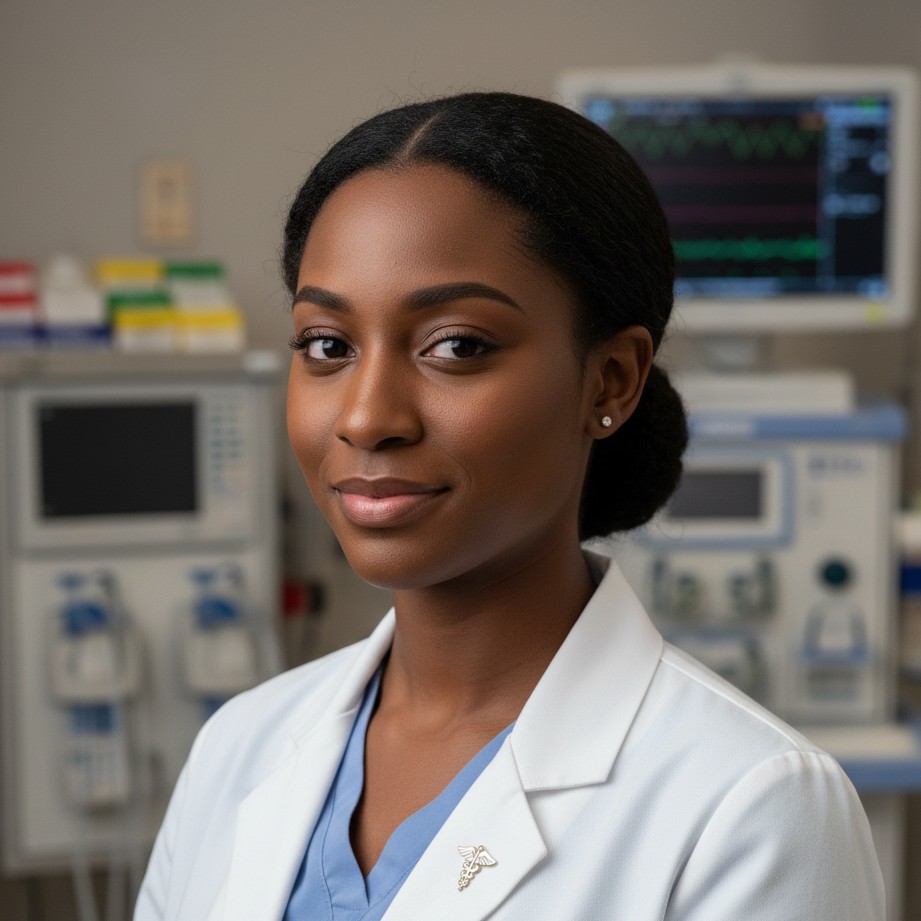
Calm, precise portrait style for anesthesiology-focused residency applicants.

Modern digital-care portrait style for applicants building hybrid clinical identities.
Where to Use Your Final ERAS Headshots
After choosing your final image set, update every major touchpoint:
- ERAS profile photo
- Interview platform profiles
- LinkedIn and networking profiles
- Medical school or research lab biography pages
- Conference speaker bios and poster sessions
Consistent visual identity helps your profile feel deliberate and professional.
Common Mistakes to Avoid
- Using old photos that no longer match your current look
- Over-retouched skin that appears artificial
- Busy backgrounds that pull attention away from your face
- Different visual style across every platform
A realistic, current, and clearly composed photo almost always outperforms highly stylized alternatives.
Final Takeaway
The best ERAS headshot is not the most dramatic one. It is the one that looks authentic, professional, and ready for clinical training. With a focused AI workflow, you can produce residency-appropriate images quickly, maintain consistency across all channels, and submit your application with stronger first-impression quality.
Use SceneYou to build your ERAS-ready headshot set before residency deadlines.
Frequently Asked Questions
What should I wear for an ERAS residency headshot?
Choose simple professional clothing with clean lines and neutral colors. A white coat can work for some profiles, but business-professional attire is often safer for broad program compatibility. Avoid loud patterns, flashy accessories, and anything that distracts from your face.
Can I use AI-generated headshots in ERAS applications?
You should use a realistic image that accurately represents your current appearance and follows program expectations. Many applicants use AI-assisted workflows for polish and consistency, but authenticity and professionalism should always come first.
How many headshot versions should I prepare for residency season?
Most applicants should keep 2 to 4 high-quality options: one main ERAS profile photo, one interview-friendly variant, and one professional networking version for LinkedIn or conference bios.
What background works best for ERAS and interview use?
Neutral studio or softly blurred clinical backgrounds usually perform best. They keep attention on your face while still communicating medical professionalism without visual clutter.
Build Your ERAS Headshot Set Before Deadlines
Upload one clear photo and generate residency-ready headshots tailored to ERAS applications, interviews, and professional platforms.